
Planning an Extension? Why the Builder Shouldn't Be Your First Phone Call
Most homeowners call a builder first — and that's exactly what cowboy builders rely on. Who to actually call first, why speed always sacrifices quality or cost, and the scope-creep trap even the professionals fall into.
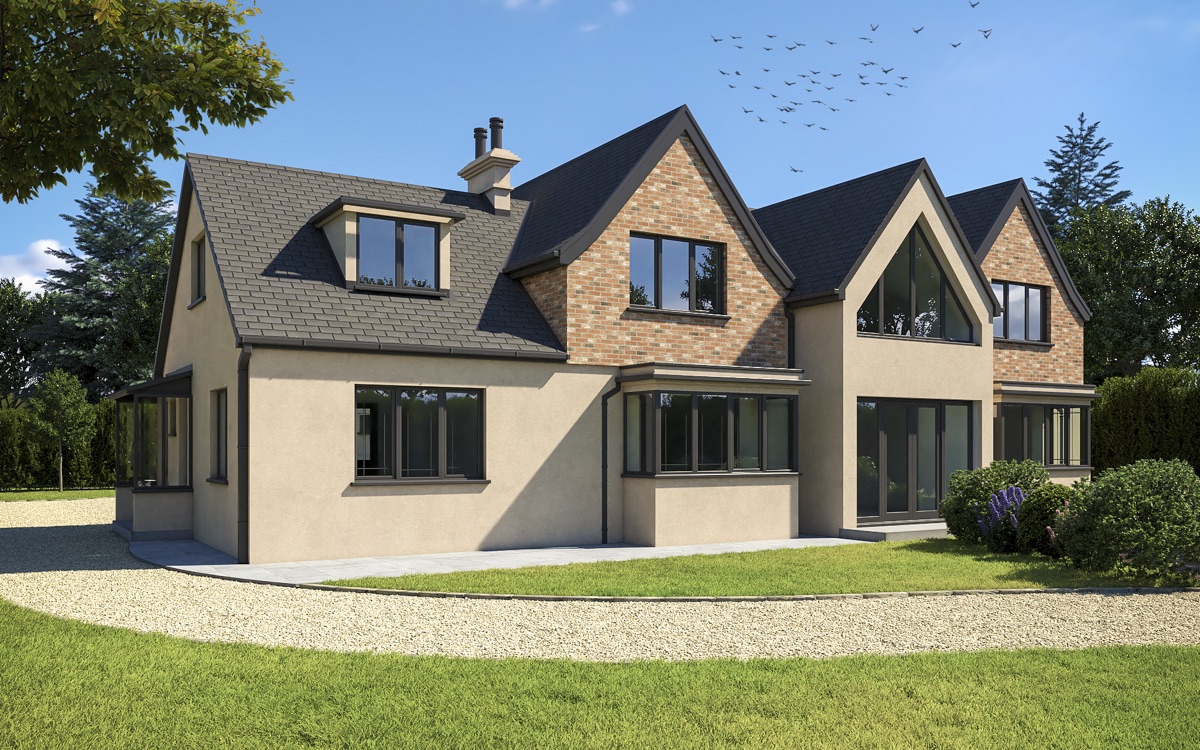
This article is adapted from Chapter 1 of Your Seven Step Home Extension Plan by Ashton Paul — the book that shows homeowners how to manage a project and avoid the stresses and strains of the home extension process.
Every home improvement project starts with an idea. A growing family needing more space, adding value before a sale, or a 1930s layout — parlour, tiny kitchen, no room for appliances that didn't exist yet — that simply doesn't fit how families live now. Today it's big open-plan spaces, bi-fold doors and kitchens that hold a lorryload of appliances. Extending is usually a very cost-effective way to increase your property's value.
But here's the rub: you only get one chance to get it right.
Who are you going to call?
The first person most people think of is the builder. Our biggest frustration, honestly.
You do need a builder — but a builder is a commercial entity running a business. It's not their job to provide impartial professional advice; it's their job to build, and good ones do it very well. Ask a builder what your extension will cost and you'll get a commercial opinion. When the price comes back, how do you know it represents value for money — or whether they're the right people to deliver it?
The builders we regularly work with agree: their job is much easier when they work to a plan and a detailed specification, with planning applications, permissions and regulations already handled. They play to their strengths and build exactly what's wanted.
From your side, the logic is even stronger: with drawings and an agreed specification prepared first, you can hand the same information to several builders and know they're all quoting for the same thing. A price without a specification is a recipe without the ingredients — we've covered why builder estimates vary so much before.
A question of trust
Consumer watchdog programmes keep proving that not all builders are the same — and some are, let's say, deficient in the ethics department. Choosing the right builder isn't a matter of chance; it's a matter of applying a process and common sense. One absolute rule: never deal with anyone who knocks on your door at random looking for work.
Remember your builder will be a guest in your home for weeks — taking it apart and putting it back together. The relationship is crucial, and the ground rules get set at the beginning.
Speed, quality, cost — pick two
A project has three elements: speed, quality and cost. Choose speed and you will sacrifice quality or cost — usually cost. Some things, like planning applications, take as long as they take — the green-belt realities we covered in our Godstone & Tandridge cost guide are a good example. It's better to start two weeks late than finish three months late. It's not about the start; it's about the completion.
Scope creep: a confession
Paul puts his hand up to this one himself: a small loft extension with a £35,000 budget, and £5,000 more spent because the new work looked so nice and shiny that the cloakroom got added too.
Changes made after the specification is agreed and work has started have a disproportionate effect on cost. A build programme is a fine-tuned machine — trades arriving in the right order, materials arriving when needed. Changing the specification mid-build throws a spanner in that machine, and it only ever means one thing: additional cost. Time spent up front making sure you've forgotten nothing is the cheapest insurance you can buy.
The Seven Step Plan
The full process — Design, Approvals, Specification of Works, Budget & Estimating, Contractual Matters, Building Works, Post Contract — is the subject of Paul's book, a simplified, homeowner-first version of the professional RICS methodology he followed for 20 years as a surveyor. We'll be covering it chapter by chapter on this blog over the coming weeks.
If you fail to plan, you plan to fail. Get the whole plan now: order Your Seven Step Home Extension Plan, see how our architectural planning service handles the design and approvals for you — or skip straight to a free consultation on your project.
Frequently Asked Questions
Should I contact an architect or a builder first for my extension?
Get professional design advice first. A builder is a commercial business — their job is to build, not to provide impartial professional advice. With drawings and a detailed specification prepared first, several builders can quote for exactly the same thing, which is the only way to compare prices meaningfully.
Why do builders' quotes vary so much without drawings?
Because without a plan and specification, every builder is pricing their own guess at the scope. A detailed plan and specification is what a price is based on — having one without the other is like having a recipe without the ingredients.
What is scope creep on a building project?
Adding work after the specification is agreed and building has started — a new cloakroom here, an upgrade there. Changes made mid-project have a disproportionate effect on cost because they interrupt a finely tuned sequence of trades and materials. The fix: take your time before the start to make sure nothing has been forgotten.